Cultural Experiences
Tea ceremony
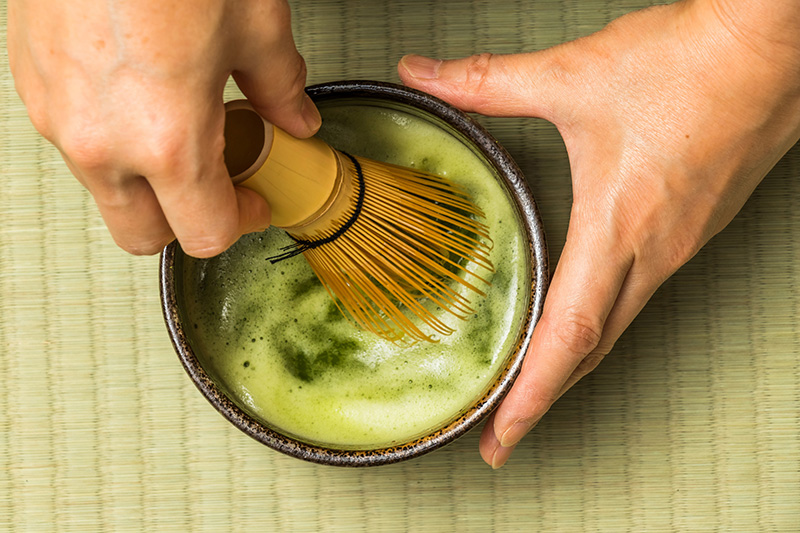
SADO (tea ceremony) is the traditional Japanese art of boiling water, preparing or kneading tea, brewing tea, and serving tea.
Nowadays, tea ceremonies generally use MATCHA green tea and are prepared using special tools (tea utensils).
Matcha stored in a "NATSUME" (for thin tea) or "CHAIRE" (for thick tea) is placed into a "CHIWAN" (tea bowl) with a "CHASHAKU" (tea scoop), hot water is poured over, and the tea is mixed with a "CHASEN" (tea whisk).
¥500/person (incude Japanese sweet)
Rice Cooking on OKUDO-SAN (Japanese traditional hearth)
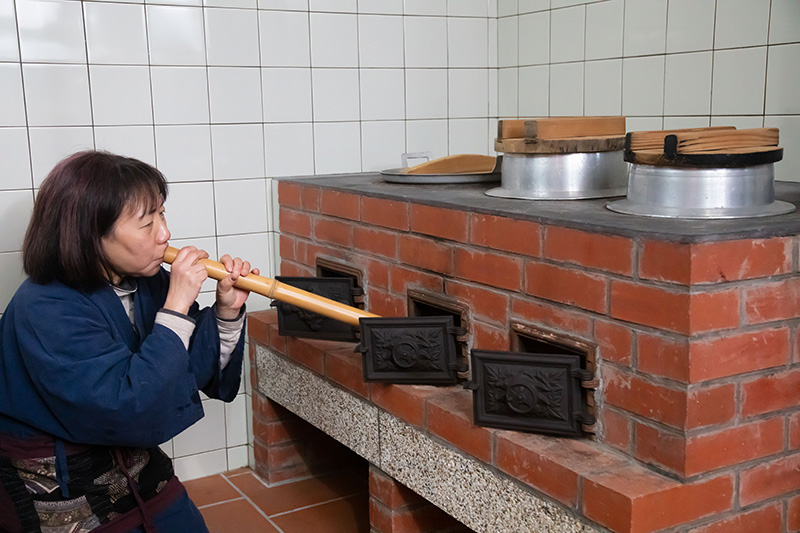
This is a hands-on experience; you will add firewood and cook the rice yourself (duration: approximately 30 minutes).
As the song goes, "At first it's a trickle, then it's a pop, then when it starts to sizzle, turn on the fire, and don't take the lid off even if the baby cries," rice cooked the old-fashioned way using firewood as fuel brings out the flavor of the ingredients and is delicious. The surface of the rice cooker has been treated.
1 session: ¥1,000 + ¥360 for 3 cups of rice (plus ¥120 for each additional cup (10% consumption tax included)
Experience
Yoga
Under adjustment

This training method has its origins in ancient Indian philosophy and aims to harmonize the mind and body. It combines breathing techniques, meditation, and poses to maintain physical and mental health.
※Instructor-led classes: Advance reservation required (please contact us via the inquiry form).
Koto
Under adjustment
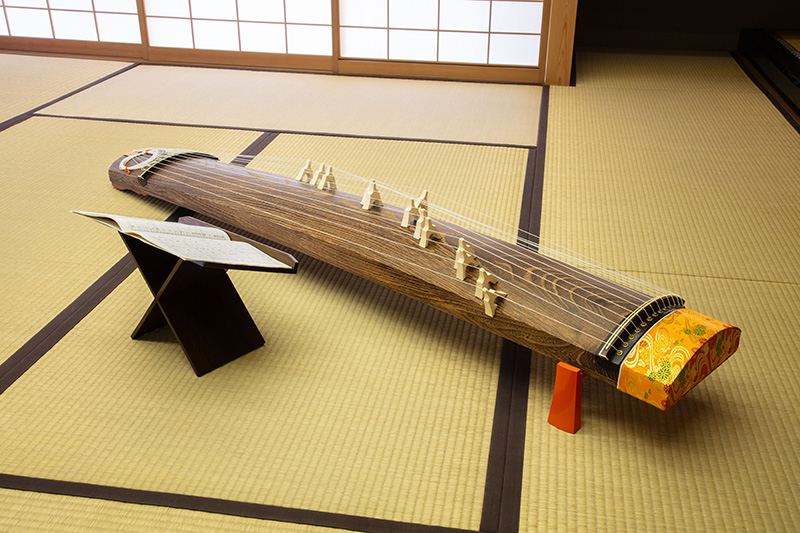
It is one of the stringed instruments used in GAGAKU, an ancient court music played at ceremonies in Japanese imperial courts, temples, and shrines. Its origins are not well known. It is made of a hollow body made of glued together paulownia wood boards, with strings stretched over it, and is plucked with three koto plectrums. Today, most have thirteen strings.
Shamisen
Under adjustment
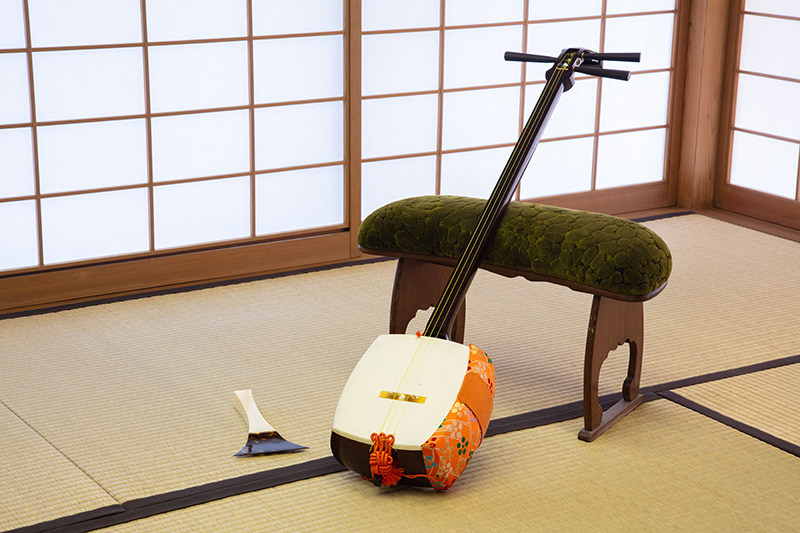
It is a Japanese stringed instrument. The skin of a cat or dog is stretched on both sides of the wooden body, and the SHAMISEN (three-stringed instrument) is played by plucking it with a BACHI (stick). It is called "SHAMISEN" or "SANSHIN" because of its three strings. The Chinese SANGEN was brought to the mainland via the Ryukyu Islands during the Warring States period, and it is said that it was further improved by "BIWA-HOSHI" (blind monks who played the BIWA on streets, which were seen around the end of the 8th century) to form the instrument we know today.